
Why I started Sporting Heritage (and where we're going next)
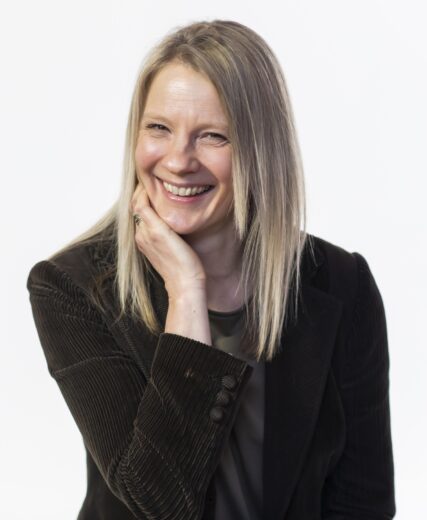
I’ve been reflecting a lot lately on how far we’ve come since I started Sporting Heritage back in 2012. It feels like the right time to share our story – where we came from, why this work matters so much to me, and the exciting things we’re planning next.
The Beginning: A PhD and a Problem
So this might sound a bit grim, but it wasn’t – I was in the middle of a PhD when I started Sporting Heritage. I’d been working in museums for years, and my role was always about making heritage more accessible, more equitable, more relevant to people. That’s what drove me in everything I did.
But I kept hitting this wall. I was working more and more with universities, thinking there’s this real need to bridge the gap between academic research and what we actually do in heritage. These academics had all this incredible understanding about why we do what we do, but there was no connection happening.
I was also a bit in awe of academics, if I’m honest. I thought the only way I was going to get my head around that world was to actually do a PhD myself. So I did – looking at sport, museums and cultural policy. It wasn’t meant to be what it became, but partway through, something became really evident.
There were thousands and thousands of collections sitting in lofts and garages. Sometimes they were in museums and archives, but largely they were hidden, ignored, at risk. And no-one was thinking about them or caring about them.
The Olympic Moment
This was around the time of the London 2012 Olympic Games, and everyone was on the telly talking about how important sport was. How monumental it was for communities, how central it was to everything we do, and how relevant and influential the sporting past was to the present. But no-one was investing in the heritage. No-one was asking: where are these stories in the public domain?
I’d talk to museums and they’d often say, “Well, sport has nothing to do with us.” They wouldn’t always recognise that they were supposed to be reflecting their communities, and their communities were invested in sport. Not just as participants or watchers, but the local bowling club was where people held their wakes or their christenings. The cricket club was central to community quizzes, to everything that happened locally.
Sport was the golden thread through everything, but those stories weren’t being thought about or looked at or heard – whether they were in the heritage sector or not.
The Stories That Matter
When we set Sporting Heritage CIC up, we were really clear that yes, it was about protecting these collections and removing them from risk. But it was also about shouting about them and how important they were. Making sure they represented diverse stories of heritage, not just the narrow narrative of white, able-bodied, middle-class, straight men that still dominated.
I spoke recently with someone who’s now pretty influential in the museum sector. She told me she’d literally had no interest in sport when she was tasked to work on it. But as soon as she started, she recognised that sport was fundamental to everything they did. The more they worked with people, the more this became clear.
Take Swansea Museums – they’ve got about 20 different sports collections they hadn’t realised was so reflective of the their local communities until we took them through a significance project this year. Now they’re using their sporting collections as the central thread for their gallery redevelopment because they’ve recognised they can tell all the different stories about Swansea through sport. Immigration, their geography by the water, the town’s ebbs and flows with the football team, women’s rights – all of it.
Where We’re Going Next
We’ve just come back from our summer break, and I’ve been having some fascinating conversations with our consultants about where we go next. The work we’re doing matters – we know that. The impact on mental health, education, reminiscence, community cohesion – it’s all there. But we need to be better at showing it, talking about it, making the case for why this work deserves support.
We’re exploring some exciting possibilities. Maybe it’s time to look at whether we should become a charity to unlock new funding opportunities. Maybe it’s about building stronger partnerships with organisations who share our values and can help us scale our impact.
One thing that’s really struck me from recent conversations is how many amazing technologies and partners are out there who could help us realise our vision – and with that support the sector to grow and thrive. Imagine being able to digitise collections and find solutions to collections storage at scale, or race against your favourite rower using VR. These aren’t pipe dreams – they’re real possibilities if we find the right people to work with.
The Human Element
Something else I’ve been thinking about is being more human in how we communicate. I’ve always been better at just talking to people about why this matters than trying to write corporate-sounding posts. If you follow me on LinkedIn, you’re going to see me being a bit more open about the journey we’re on. It feels vulnerable, but it will help me to have more supporters there cheering me on.
I’m also recognising that part of my story is relevant here. As someone who was late-diagnosed neurodivergent, I’ve spent a lot of my career wearing a mask, being who I thought I should be rather than who I am. But this work is too important for that. The passion I have for sporting heritage, the belief I have in its power to change communities – that’s real, and that’s what people need to see.
What’s Next
We’ve got our annual National Sporting Heritage Awards coming up in November, and this year feels different. It’s not just about celebrating the incredible work people are doing (though we absolutely will be doing that). It’s about launching something bigger – partnerships that will help us achieve our vision for the next year and beyond.
If you’re reading this and thinking “I want to be part of this journey,” then get in touch. Whether you’re a potential funder, a technology partner, a brand who cares about this too, someone with collections you want to protect, or just someone who believes in the power of sporting heritage to bring communities together – we want to hear from you.
Because here’s the thing: we can’t do this alone. And we shouldn’t have to. Sport is central to how communities work, how people connect, how stories get passed down. That heritage belongs to all of us, and protecting it, celebrating it, making it accessible – that’s work we should all be invested in.
The golden thread is there, waiting to be followed. Who’s coming with us?
If you’d like to know more about Sporting Heritage or explore partnership opportunities, drop me a message at [email protected]. I promise I’m much better at explaining this in conversation than I am at writing blog posts – but I’m working on that too!


