
Honouring Our Sporting Stories: Preserving British East and Southeast Asian Heritage Through Sport
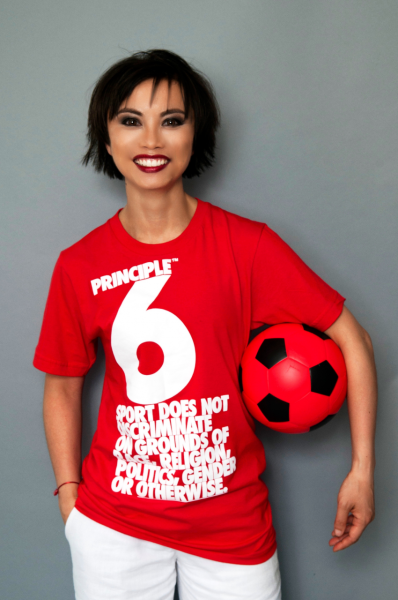
As we celebrate National Sporting Heritage Day this September, we are reminded of the incredible power sport has—not just as a game, but as a living archive of our shared history. This year, the day holds deeper significance as it intersects with British East and Southeast Asian (BESEA) Heritage Month. As an ambassador of Sporting Heritage and a proud Asian LGBTQ competitive athlete, I reflect on how sport connects us to our roots, reclaims forgotten histories, and gives voice to communities long silenced.
Sporting heritage is more than trophies and records. It’s the stories, objects, and memories passed through generations—the grassroots football clubs, worn cricket bats, community sports photos, and personal medals tucked away in boxes or attics. These items are powerful cultural artefacts. But many are at risk of being lost, especially those from minority communities like the BESEA community, who have long been underrepresented in British sporting narratives.
Growing up, I rarely saw anyone who looked like me in sport, let alone in the sporting archives or museums. That absence sent a clear message: our stories didn’t matter. But they do—and they always have.
From the Chinese British workers who supported local football clubs during the 20th century, Frank Soo the first English east Asian football player in the English Football League in 1933 to Vietnamese, Filipino, and Malaysian athletes quietly shaping local leagues and schools today, BESEA communities have long contributed to the UK’s sporting landscape. Yet these histories remain undocumented, unarchived, and uncelebrated. As we mark Collections at Risk, it’s a call to action: we must protect these fragile, vital records before they disappear.
This year’s National Sporting Heritage Day theme challenges us to think about whose history we preserve—and whose we overlook. Without conscious effort to collect, share, and honour the heritage of BESEA and other marginalised communities, we risk a sports history that is incomplete, untruthful, and exclusionary.
As a Sporting Heritage ambassador, I urge museums, archives, community clubs, and individuals to take this opportunity to reflect, research, and reach out. Start local: speak to elders, search for photographs, digitise memories, and create space for underrepresented voices. Let’s reimagine sporting heritage not just as preservation, but as justice—restoring visibility, pride, and belonging.
This month, as we celebrate BESEA heritage, I encourage everyone to explore the untold stories in sport—those that reflect resilience, community, and identity. They remind us that we’ve always been here, playing, winning, coaching, supporting—and shaping the heart of British sport.
Preserving our sporting heritage is about more than memory. It’s about power. And by amplifying the BESEA voice in our national sporting story, we build a future where every child can see themselves in the past—and know they belong in the future of sport. Let’s ensure no story is left behind. Let’s protect what matters—together.
You can hear more from Amazin LeThi by following her on social media
- www.amazinlethi.com
- X @amazinlethi
- Instagram @amazinlethi
- Facebook @amazinlethi
- Linkedin @amazinlethi


